Thailand’s export story matters for manufacturers that sell into global consumer categories like toys. Thailand exported a total of $300 billion worth of goods in 2024, and the country’s 2024 GDP was $563 billion, according to Thailand’s Budget Bureau. Thailand’s National Economic and Social Development Council (NESDC) said the economy grew by 2.5% in 2024, up from 1.9% in 2023, supported by domestic private and government expenditures and higher public investment. For toy producers, that mix of export reliance and ongoing investment is the backdrop for a China-plus-one opportunity: buyers may seek additional sourcing options while staying inside Asia.
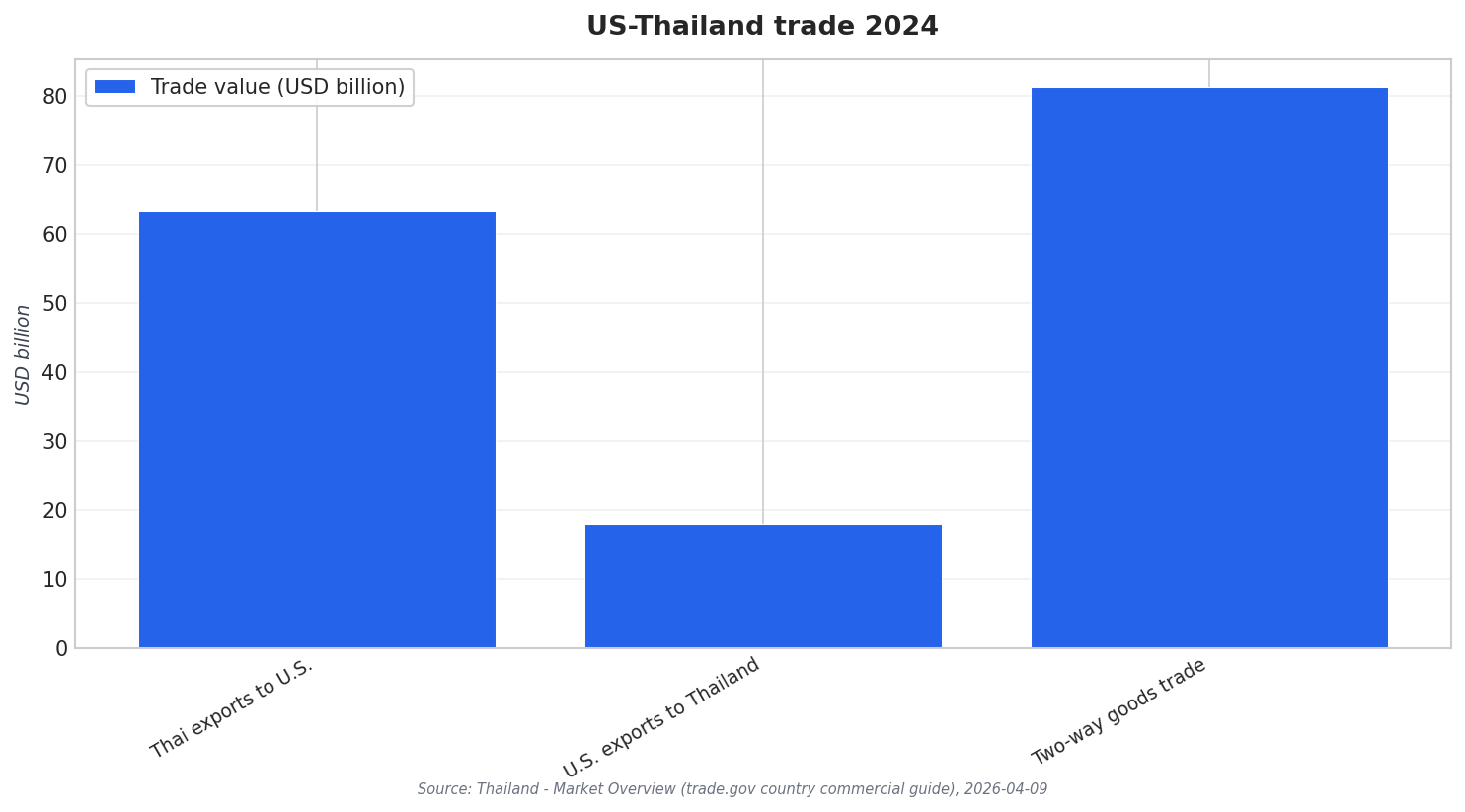
Trade links with the United States are a practical reference point for export-oriented planning. Two-way trade of goods between Thailand and the U.S. in 2024 was $81.2 billion, including $63.3 billion in Thai exports to the United States and $17.9 billion in U.S. exports to Thailand. In 2024, U.S. exports to Thailand increased by 15.0%, and U.S. imports from Thailand increased by 12.6%. The same overview notes that the United States was Thailand’s largest export market in 2024, followed by China. That positioning can help Thailand-based toy suppliers talk to brands and distributors that already buy from Thai factories in other categories and want to diversify their sourcing footprint.
Why Asia-Pacific Demand Trends Support a Diversification Pitch
Regional demand signals help explain why a China-plus-one sourcing conversation is happening now. One toy market source cites the International Trade Administration view that Asia-Pacific accounts for over 40% of global toy sales growth. The same source says Asia-Pacific is likely to register a CAGR of 9.5% over the forecast period, and it notes growth in educational toys, particularly STEM-based products, with the category growing at an annual rate of 8%. Those are regional indicators, not Thailand-specific outcomes. Still, they give the Thailand toy manufacturing industry a clear export marketing angle: stay close to fast-growing Asia-Pacific demand while offering buyers an alternative production base within the region.
Thailand’s near-term macro outlook also shapes manufacturer confidence to pursue export expansion. NESDC projected Thailand’s economy will expand between 2.3% and 3.3% in 2025, with support from domestic private consumption, investment, and continued recovery in tourism and related services, while warning growth could be moderate due to global fluctuations. Other forecasts cited include 2025 GDP growth expectations of 1.3% (Bank of Thailand) and 1.8% (World Bank). While these numbers are economy-wide, they matter to toy producers because export opportunities often require investment in machinery, tooling, quality systems, and compliance work that benefits from steadier domestic conditions.
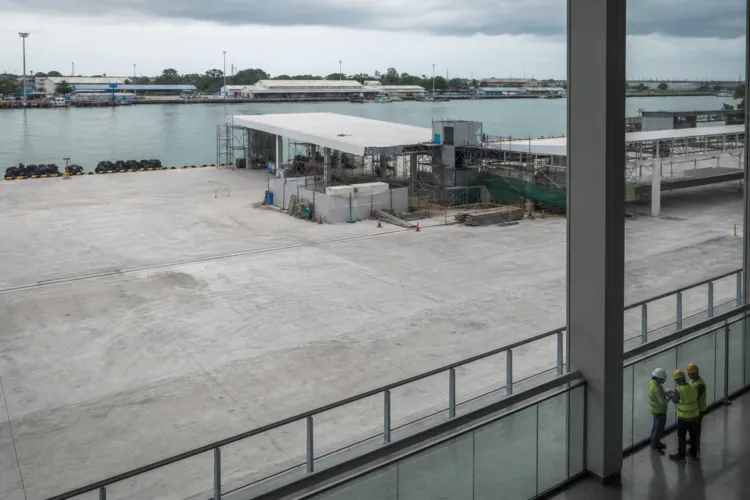
Infrastructure and logistics planning can also influence export readiness for time-sensitive toy supply chains. Thailand’s market opportunities brief highlights planned megaprojects across roads, railways, seaports, airports, and a dry port for container projects, including Eastern Economic Corridor projects such as U-Tapao Airport and port phases at Map Ta Phut and Laem Chabang. It also notes Airports of Thailand (AOT) plans to invest $3 billion to accommodate 210 million passengers by 2032, alongside expected tourism of 39 million international visitors in 2025 and projected tourism revenue of $67 billion. These figures are not toy-industry metrics, but they illustrate a broader national emphasis on capacity and connectivity that exporters can align with when pitching reliability to overseas buyers.
What export signals support a China-plus-one opportunity for Thailand-based toy makers?
How large was U.S.-Thailand goods trade in 2024?
What regional toy market trends can Thailand manufacturers use in export pitches?
What are Thailand’s 2025 growth projections mentioned in the sources?
How can the Thailand toy manufacturing industry connect logistics investment to export readiness?