The ASEAN energy transition is becoming central to Southeast Asia's urban development as growing cities require more electricity while governments seek to diversify power generation and reduce emissions. Renewable energy, cross-border electricity trading, and emerging technologies could reshape the region's energy systems, but investment and infrastructure constraints remain significant.
According to the Future ASEAN Sustainable Cities whitepaper by Eurogroup Consulting, developed in cooperation with the French Foreign Trade Advisors (CCE), ASEAN's energy demand increased by more than 80% between 2000 and 2020. Future urban growth could intensify this demand, particularly as cooling, transportation, and industrial activities become increasingly electrified.
ASEAN Energy Transition: Growing Demand Meets the Decarbonization Challenge
Southeast Asia's economic development has steadily increased energy consumption across residential, commercial, and industrial sectors, and the region's next stage of urbanization is expected to add further pressure.
The Eurogroup Consulting whitepaper highlights that ASEAN could account for more than 25% of global energy-demand growth through 2035. This projection concerns the region's contribution to the increase in worldwide demand, rather than its share of total global consumption.
As urban households gain purchasing power, demand for air conditioning and electrical appliances can increase. Commercial buildings require reliable power for cooling, lighting, and digital systems, while industrial facilities depend on stable electricity supplies to maintain production.
The International Energy Agency (IEA), cited in the whitepaper, estimated that electrification had reached 97% of Southeast Asia's population in 2021. Yet the same analysis indicates that air conditioning was still far from universal, suggesting that future cooling adoption could substantially influence electricity consumption.
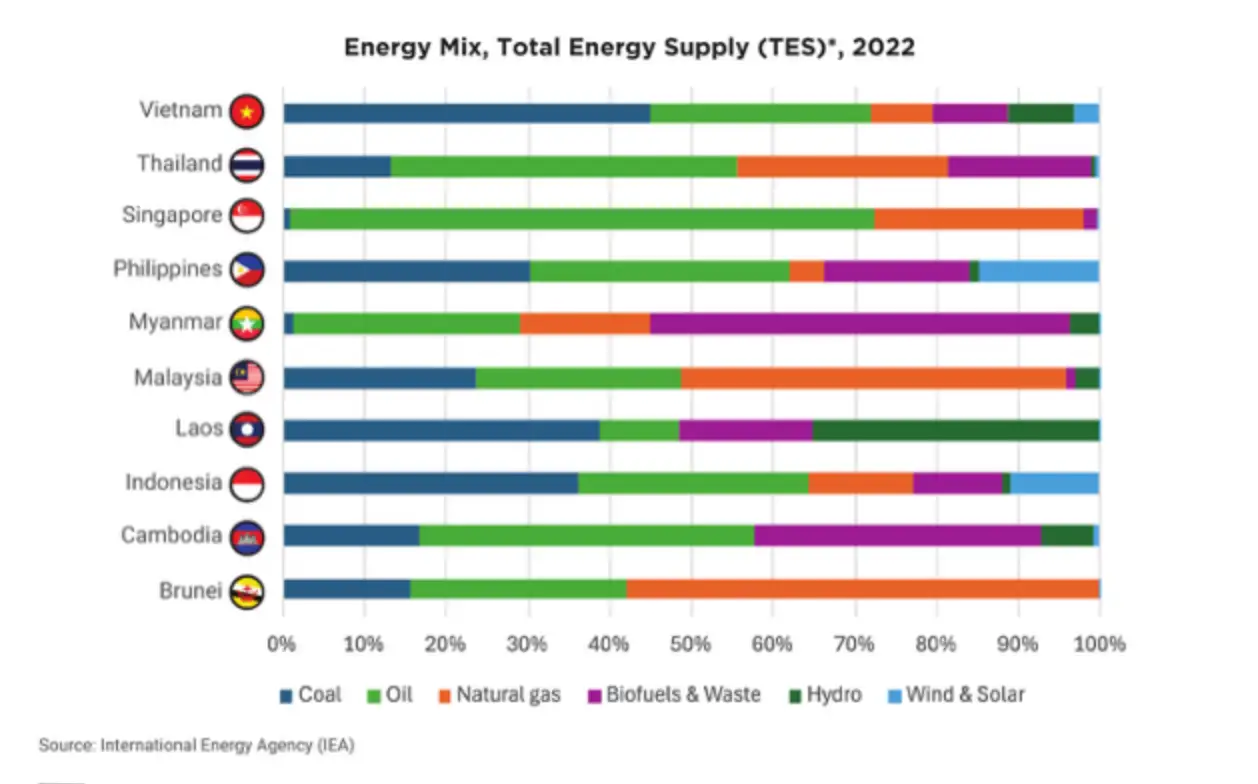
Figure 1: Energy Mix, Total Energy Supply (TES), 2022. Source: Future ASEAN Sustainable Cities, Eurogroup Consulting (p. 15), based on IEA.
Expanding energy supply is necessary for economic growth, but continued reliance on conventional fuels could increase emissions and exposure to fuel-price fluctuations. For energy companies and infrastructure investors, future opportunities will depend increasingly on solutions that support both capacity expansion and cleaner electricity generation.
What Could ASEAN's Energy Mix Look Like by 2050?
The Eighth ASEAN Energy Outlook (AEO8), discussed in Eurogroup Consulting's whitepaper, presents alternative scenarios for the evolution of ASEAN's energy mix through 2050. These scenarios illustrate different possible outcomes rather than guaranteed forecasts.
Under the Baseline Scenario, fossil fuels would continue to dominate total primary energy supply, accounting for 76.1% in 2050. In contrast, the Carbon Neutrality Scenario envisages a considerably different structure, with renewable energy reaching 70.2% of total primary energy supply and fossil fuels declining to 33.3%.
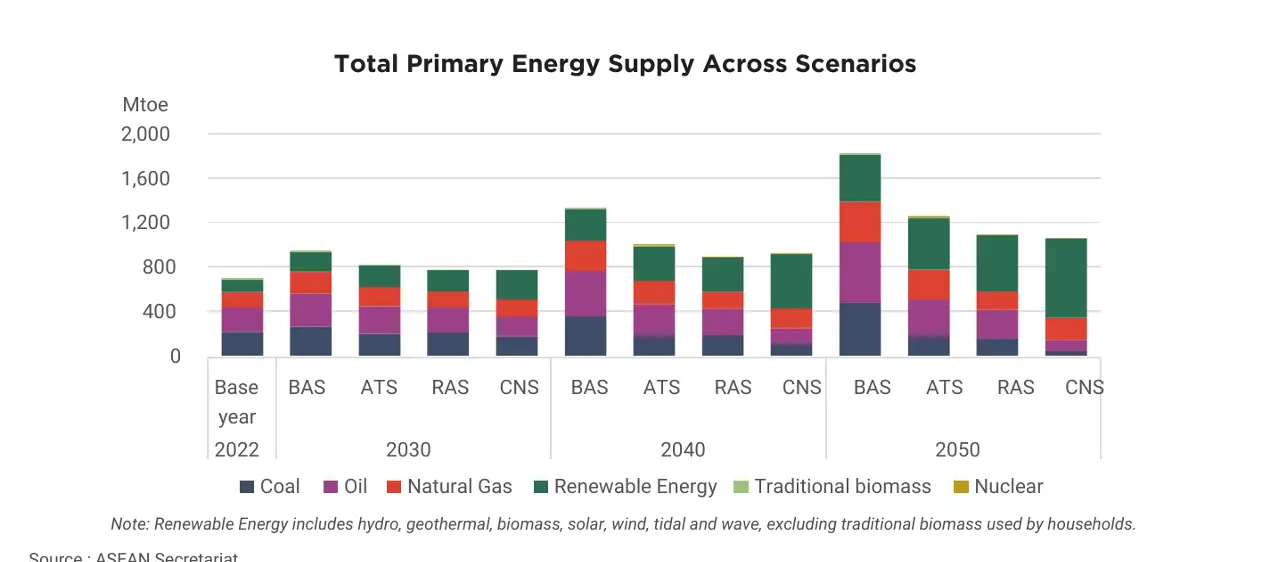
Figure 2: Total Primary Energy Supply Across Scenarios. Source: Future ASEAN Sustainable Cities, Eurogroup Consulting (p. 26), based on ASEAN Secretariat.
Solar energy is particularly relevant because of Southeast Asia's favorable geographic conditions and potential for both utility-scale and rooftop installations. Hydropower, offshore wind, biomass, and geothermal energy can contribute to diversification, although availability and development conditions vary considerably between countries.
Thailand's energy transition illustrates how national policy ambitions must be reconciled with infrastructure investment and the existing generation mix. Explore this national dimension further in Thailand Green Energy Transformation: Market Insights.
The ASEAN Power Grid: Connecting Renewable Resources Across Borders
Energy resources are not distributed evenly across ASEAN. Some countries possess significant hydropower capacity, while others have substantial electricity demand but more limited domestic renewable resources. The ASEAN Power Grid seeks to improve cross-border electricity trading by connecting national power systems.
According to the ASEAN Secretariat figures presented in the whitepaper, existing interconnections represented approximately 7,700 MW, with a planned total of 17,550 MW by 2040.
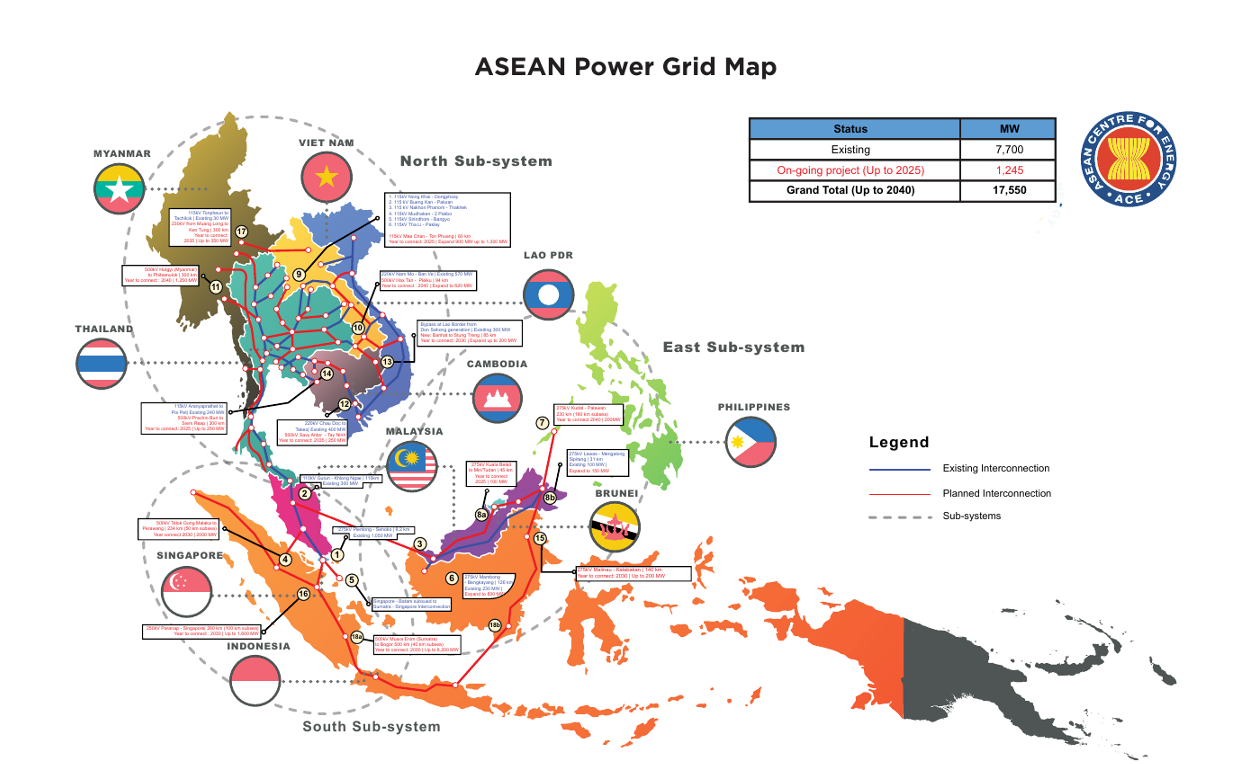
Figure 3: ASEAN Power Grid Map. Source: Future ASEAN Sustainable Cities, Eurogroup Consulting (p. 27), based on ASEAN Secretariat.
The network could allow electricity generated in resource-rich locations to support demand elsewhere. For example, hydropower produced in Laos can contribute to the electricity supply of neighboring countries through regional interconnections.
Greater connectivity could also improve how renewable resources are integrated. Solar and wind generation vary according to weather conditions, and cross-border trading, storage technologies, and grid modernization can help manage these fluctuations, although transmission capacity and coordination remain important constraints.
Transmission engineering, grid management software, storage technologies, electrical equipment, and infrastructure development could all become relevant areas for specialized providers. However, cross-border agreements, pricing arrangements, regulatory coordination, and long-term investment commitments influence whether interconnections deliver their intended benefits.
Emerging Technologies: From Hydrogen to Carbon Capture
Certain industrial activities remain difficult to electrify directly, creating interest in complementary solutions, including green hydrogen, carbon capture, energy storage, and decentralized electricity systems.
The whitepaper describes plans for a Hydrogen Valley in Thailand's Eastern Economic Corridor, where research, infrastructure development, and industrial collaboration are intended to support potential hydrogen applications.
As Antoine Sirgi, Senior Country Officer at Crédit Agricole CIB Singapore & Southeast Asia, states in the whitepaper:
"Green hydrogen is emerging as a potential game-changer in ASEAN."
Hydrogen nevertheless faces substantial commercialization challenges, including production costs, infrastructure requirements, and the availability of suitable end-use applications.
Carbon capture, utilization, and storage presents another potential pathway for emissions-intensive industries. Malaysia's proposed carbon-storage hub, highlighted in the report, illustrates how geological resources and industrial demand could support the development of regional carbon-management services.
The common requirement across these technologies is commercial viability. Demonstration projects, supportive regulation, financing structures, and measurable operating performance will help determine whether solutions can move beyond initial pilots.
Turning Energy Ambitions Into Bankable Urban Infrastructure
Financing renewable energy infrastructure remains difficult in markets where projects involve high upfront costs, uncertain revenues, or changing regulatory conditions. Grid stability also becomes more complex as variable renewable generation expands.
For international companies, three business considerations are especially important.
First, technology must address local infrastructure needs. A solution suitable for one country's electricity system may require significant adaptation elsewhere.
Second, partnerships are essential. Energy projects frequently depend on government agencies, utilities, financial institutions, and engineering contractors working together.
Third, commercial proposals must demonstrate long-term value. Investors and project owners need evidence of operational reliability, financial feasibility, and scalability.
Frequently Asked Questions
What is the ASEAN energy transition?
The ASEAN energy transition refers to Southeast Asia's efforts to diversify energy supply, increase renewable generation, improve efficiency, and reduce reliance on carbon-intensive fuels. The pace of transition varies across countries because of differences in existing infrastructure, natural resources, financing, and government policies.
How much renewable energy could ASEAN use by 2050?
The Eighth ASEAN Energy Outlook's Carbon Neutrality Scenario envisages renewable energy reaching 70.2% of total primary energy supply by 2050. This is an ambitious scenario rather than a confirmed forecast.
What is the ASEAN Power Grid?
The ASEAN Power Grid is a regional initiative designed to connect electricity systems across member countries and enable cross-border trading. Its development requires transmission investment, technical coordination, regulatory agreements, and commercial arrangements.
Explore ASEAN's Sustainable Energy Future
Download the Future ASEAN Sustainable Cities Whitepaper
Access Eurogroup Consulting's full analysis, developed in cooperation with the French Foreign Trade Advisors (CCE), covering eight major sustainability trends, investment dynamics, expert perspectives, and strategic considerations for businesses across ASEAN.