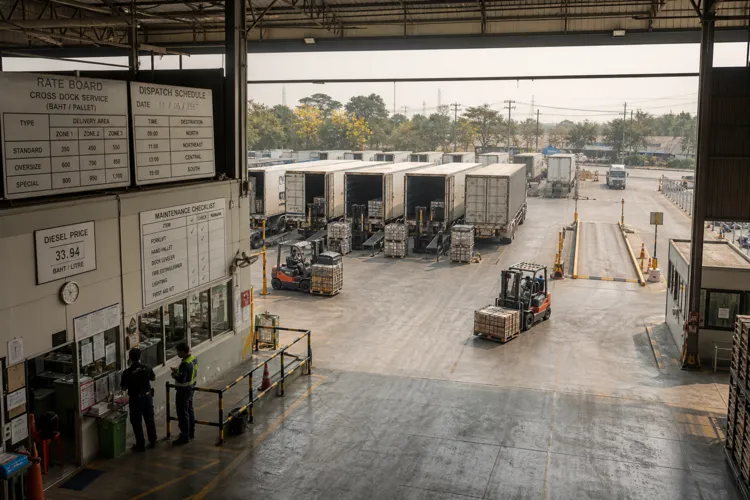

Q3/2026 (July–September) is described as the peak season for Thai fruits, with mangosteen and longan highlighted alongside durian. In the south, mangosteen production is listed at about 139,936 tons, up 75% year on year, with prices quoted at 70–100 THB/kg and described as a record high. In the north, longan’s peak harvest is in August, with prices cited at 21.50–25.75 THB/kg and export formats ranging from premium bunches to loose fruit and “golden dried longan.” For exporters, the opportunity is volume and strong demand, but the pressure is meeting tighter destination checks while moving perishable fruit fast.
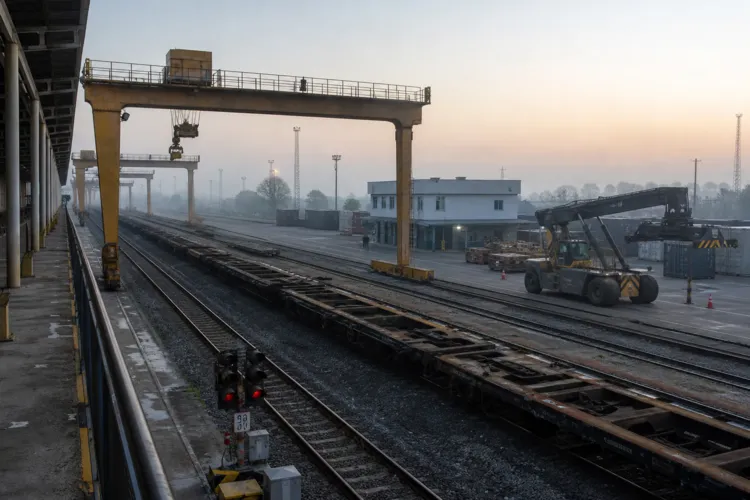
China remains the core destination in the export conversation. A China-focused market report states that, in value terms, Thailand is the largest supplier of mangoes, mangosteens and guavas to China, accounting for 79% of total import value. That concentration means operational issues at the border matter quickly for packhouses and traders. Logistics is also part of the playbook. The China–Laos Railway is positioned as a strategic route, with a 26-hour transit time to Kunming and onward distribution to more than 30 major cities within 48 hours. Alongside this, the same source notes that from January to July 2026, tropical fruit imports were worth 4.92 billion yuan, up 14.9% year on year.
Tighter Phytosanitary Controls Put Post-harvest Systems Under the Microscope
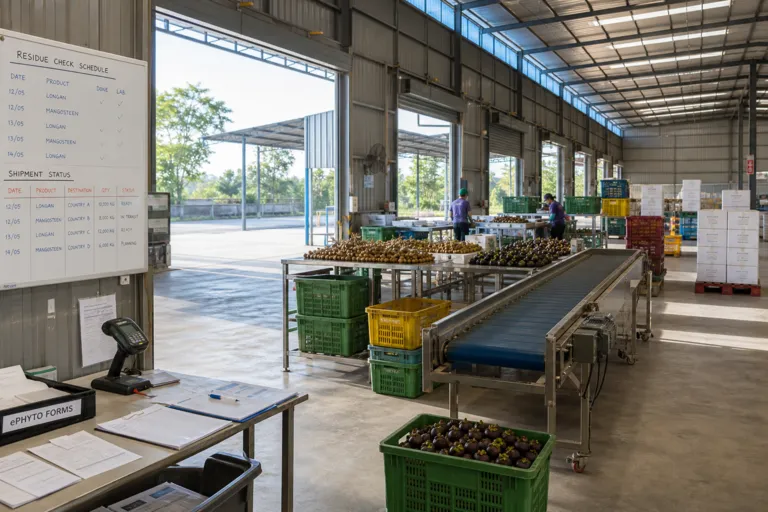
The key compliance flashpoint for longan is sulphur dioxide residue. Thailand’s government communications say Chinese authorities introduced a tightened maximum residue limit that permits no more than 50 milligrams of sulphur dioxide per kilogram (50 parts per million) in imported fresh longan. In response, Thai agricultural researchers developed a post-harvest treatment that nearly eliminates sulphur dioxide residue while extending storage life to 21 days. Earlier official discussions also show the issue was raised directly with China’s GACC on September 9, 2025, with Thailand carrying out research because there had not yet been a full analysis of sulphur dioxide levels in the whole fruit.
Beyond residue limits, exporters are being pulled toward more formal digital documentation and traceability. Thailand and China agreed to accelerate integration of electronic phytosanitary certificate (ePhyto) systems and traceability systems, aiming for full linkage in 2026 and aligning with Thailand’s National Fruit Safety Platform endorsed by the Fruit Board. For shippers navigating the Thailand mangosteen and longan export cycle, that means documentation and lot-level visibility become part of commercial readiness, not just compliance. Separately, Thailand has also been pushing China to approve four additional fresh fruits—dates, salak, maprang, and mayong chid—framing expanded access as a way to push annual fruit export value to China beyond 160 billion baht.
Competition and standards remain the backdrop, with one industry update flagging strict SPS expectations such as GAP compliance and pest control, and naming competition from Vietnam, Malaysia, and the Philippines. The same update emphasizes strategies that connect directly to border outcomes: strengthen quality and GAP, enhance cold chain, and use QR code traceability. For mangosteen, the export narrative also includes grading cues, where smooth skin is associated with premium selection. Put together, the record-season volumes and elevated price points raise the stakes: exporters must protect market access by tightening post-harvest handling, residue control, and traceability while using faster routes such as rail to keep fruit quality consistent at arrival.
What is driving pressure on Thai longan shipments to China?
How are Thai exporters improving longan shelf life under stricter checks?
How important is China for mangosteen-related trade flows from Thailand?
What figures show the scale of the 2026 mangosteen and longan season in Thailand?
What is changing operationally in the Thailand mangosteen and longan export process for China?