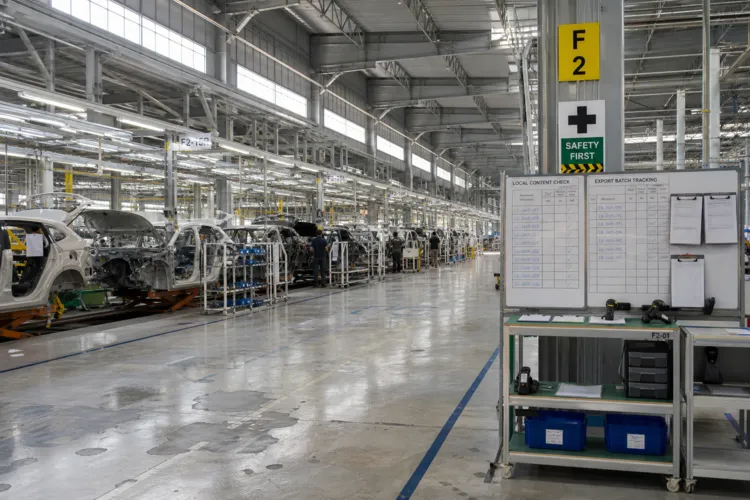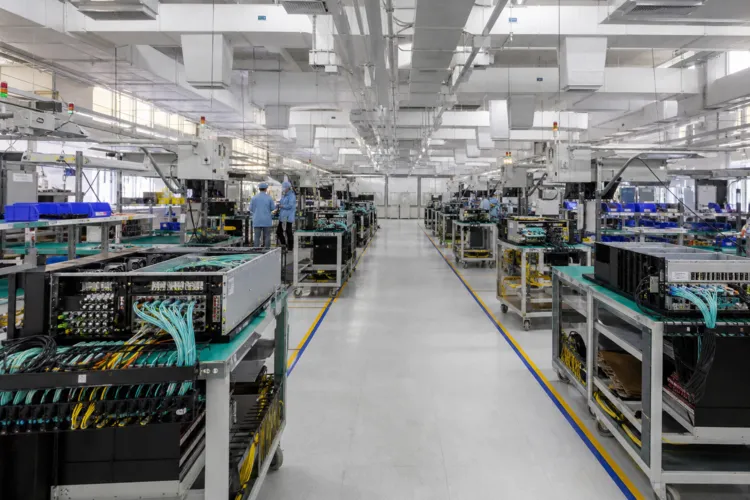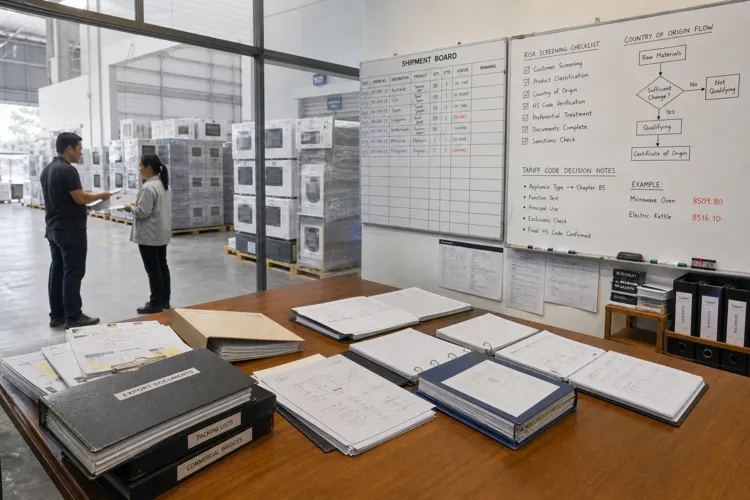
Thailand is moving through an uneven vehicle market recovery while EVs take a larger role in what gets sold, serviced, and stocked. In January 2026, Thailand recorded about 89,864 vehicle sales, up 41.3% year over year, according to Focus2move. In the same month, the EV sector reached a 36.2% share of total January sales, with EVs surging 163.1%. This shift changes demand signals for suppliers. It also changes parts planning, because the evolving mix of EVs, hybrids, and internal combustion engine vehicles increases complexity in transport, warehousing, and parts distribution, as Automotive Logistics notes for ASEAN supply chains.
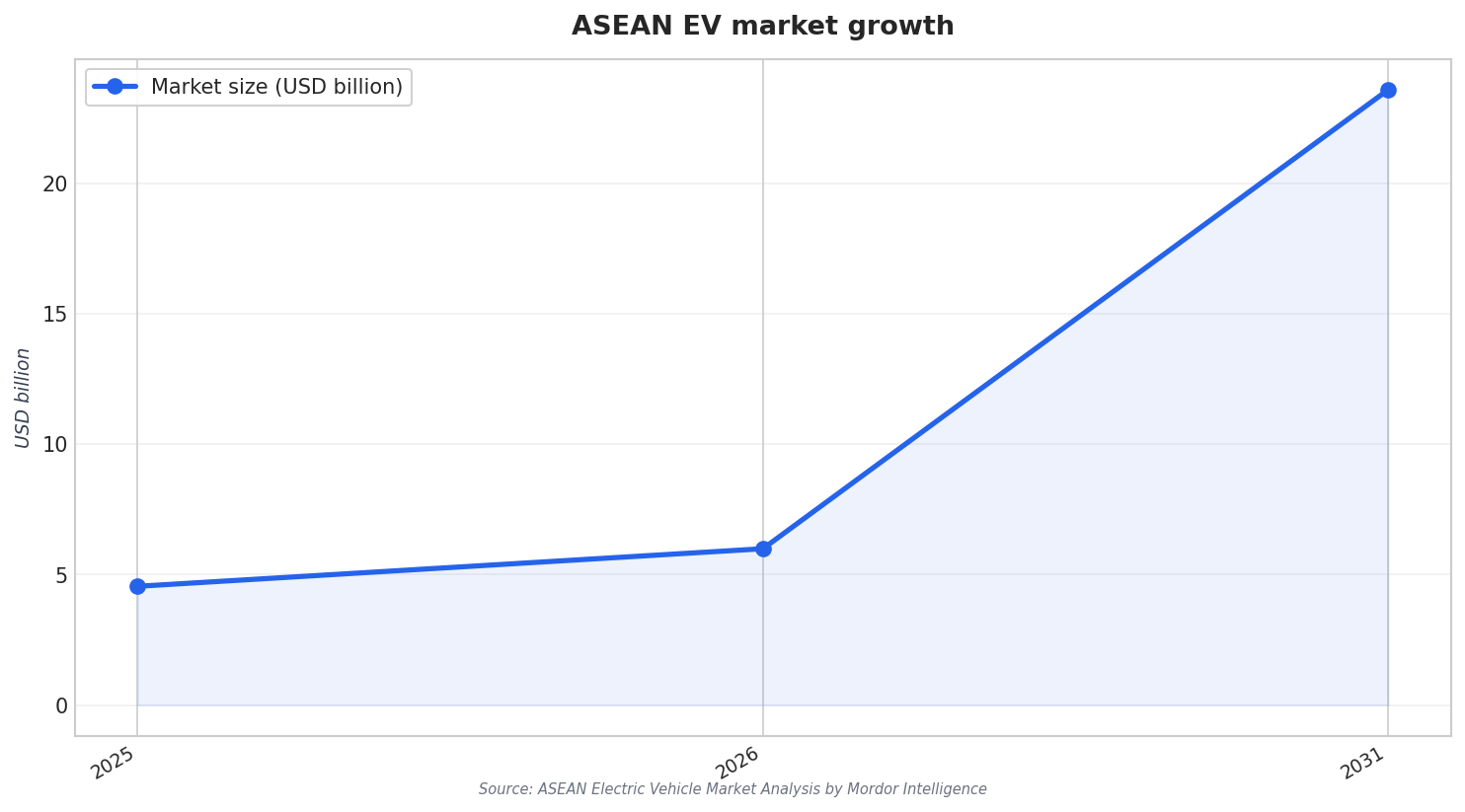
Regional growth expectations add urgency to this transition. Mordor Intelligence forecasts the ASEAN electric vehicle market growing from USD 4.55 billion in 2025 to USD 5.99 billion in 2026, reaching USD 23.58 billion by 2031 at a 31.55% CAGR over 2026–2031. In that ASEAN context, Thailand held 38.95% of ASEAN EV market share in 2025. Market structure matters for suppliers too. Battery electric vehicles held 85.70% share of the ASEAN EV market in 2025, and passenger cars led with a 46.55% share. For charging, AC slow/Level-2 held 63.60% share in 2025, while DC fast charging is forecast to grow at a 32.85% CAGR through 2031. These patterns influence what components, service parts, and logistics flows are prioritized.
What the EV Supply Chain Shift Means for Parts, Service, and Trust
In Thailand, policy design is also pushing localization and reshaping supplier expectations. Mordor Intelligence reports that Thailand channels 34 billion baht in subsidies that require local assembly for eligibility, positioning incentives as a lever that can pull production and supporting ecosystems closer to home. At the same time, consumer decision-making is becoming more tied to service readiness. Iconic Research argues that purchase decisions now hinge on brand longevity signals, service network density, and parts availability guarantees. That is a direct challenge for the Thailand auto parts industry as it adapts to EV platforms, because competitive positioning is no longer only about price, but about the certainty of repairability and ongoing support.
Service constraints are already visible in consumer outcomes. Iconic Research cites the Thailand Consumer Council flagging “Lack of Spare Parts” as a critical consumer rights violation in a 2025 report. The same source notes documented cases of EV owners waiting 6–10 months for collision repairs. Higher downstream risk is showing up in financial signals as well. In 2025, EV insurance premiums in Thailand jumped by 20–25%, and loss ratios for some insurers exceeded 100%, meaning claims payouts exceeded premiums collected. For parts makers and distributors, these data points underline why faster parts availability, clearer repair pathways, and more stable supply planning can become core to EV competitiveness, not just an operational detail.
Thailand’s transition also plays out amid a broader narrative of EV manufacturing ambition and shifting competition. Bolt.earth reports Thailand aims to transition 30% of its auto production to EV by 2030. CleanTechnica adds that Thailand secured 54% of Southeast Asia’s BEV market share in 2023 and that BEV penetration in Thailand reached 13% of new vehicle registrations in 2024, with unit volumes exceeding 79,000, even as the wider market faced contraction pressures. Automotive Logistics highlights another external pressure: Chinese carmakers are gaining share across ASEAN, particularly in EVs, which can change supplier qualification requirements, lead times, and logistics models. Together, these forces push Thailand’s suppliers to evolve product portfolios and service coverage in step with the EV supply chain transition.
How is Thailand’s auto parts industry being pressured by the EV transition?
What ASEAN EV market figures matter most for Thailand-based suppliers?
Which EV powertrain dominates ASEAN, and why does that matter for parts planning?
What evidence suggests EV aftersales and parts availability are pain points in Thailand?
How are insurance and repair economics changing for EVs in Thailand?