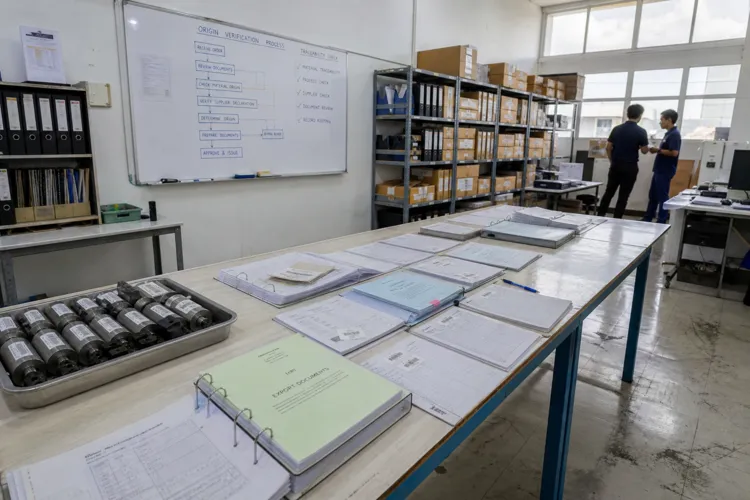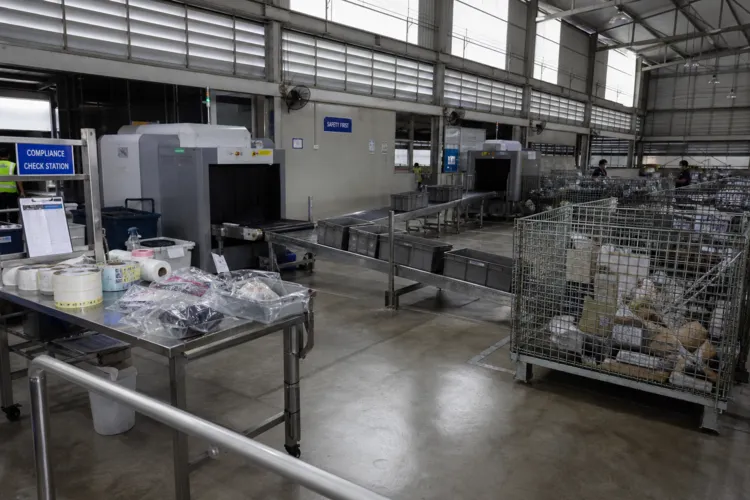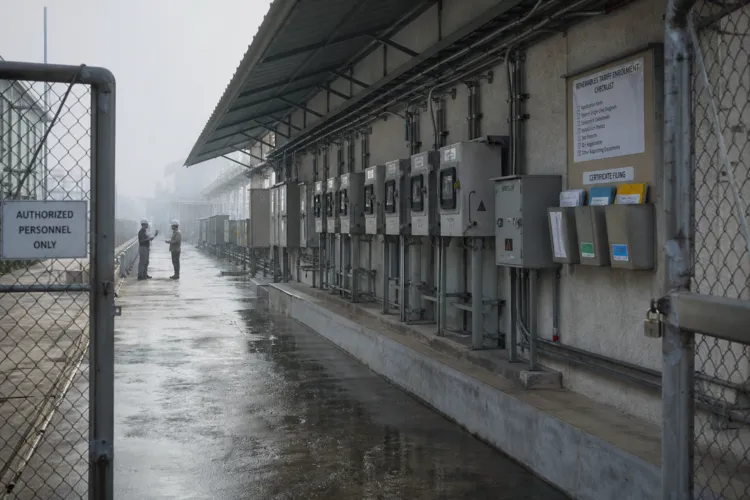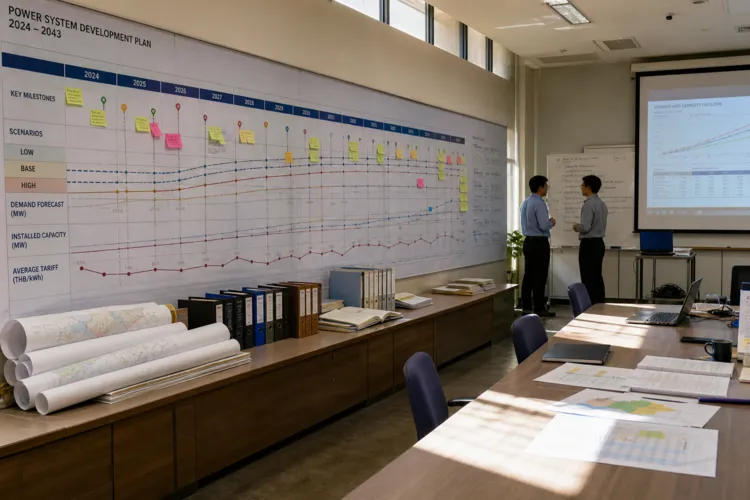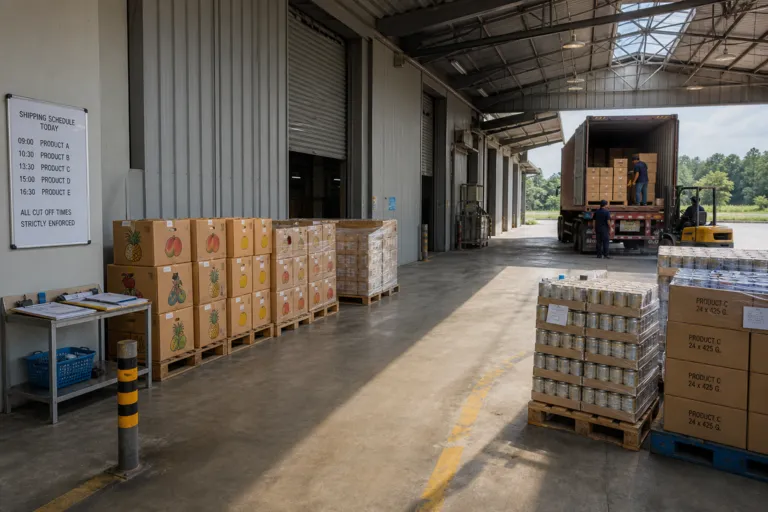
Thailand’s processed fruit exporters are navigating fresh uncertainty after the United States announced an additional 12.5% import tariff on most goods from Thailand under Section 301 of the US Trade Act of 1974, citing concerns tied to measures to prevent imports of goods produced with forced labour. According to reporting on the USTR action dated July 23 (US local time), the measure applies broadly unless a product falls under specific exemptions listed in annexes. In agriculture and food, the affected group includes canned and processed seafood and also rice, canned and processed fruit, and processed chicken. For exporters linked to pineapple and other tropical fruit processing, the scope means close attention to customs classifications and whether exemptions apply in practice.
Thailand’s government has also framed the changes as a negotiation issue rather than only a pricing shock. Another account of the same policy shift said the new charge took effect on 24 July 2026 under Section 301, replacing a 10% measure under Section 122 that expired the same day. Thailand’s Ministry of Commerce stated that more than half the value of Thai exports to the US is exempt. Assistant Commerce Minister Kirida Bhaopichitr said 2,120 Thai product lines have been excluded from the additional 12.5% tariff. Those exclusions include integrated circuits and hard disk drives, but also a list relevant to fruit processors such as fresh and processed pineapple, fresh and dried fruit, and other agricultural items. The exclusions are central to how processors in the Thailand canned pineapple industry plan shipments and manage contracts.
What Exemptions Mean for Pineapple and Processed Fruit Exporters
The details matter because different summaries of “affected” versus “excluded” items can vary by product category and tariff line. One report emphasized that canned and processed fruit sits within the affected agriculture and food group, and also noted Thailand does not receive country-specific exemptions of the kind granted to some regional peers. Another report, however, said the final determination excludes fresh and processed pineapple and lists fresh and dried fruit among the excluded product lines, while also highlighting that the excluded lines represent more than half the value of Thai goods exported to the US. A separate market note likewise described exemptions for certain fruits and related products such as pineapple and mango. For exporters, this raises a practical need to confirm US HTS codes and match product specifications to the exemption language.
Export strategy is also influenced by Thailand’s broader processed fruit and beverage export base. A USDA report on Thailand’s food processing ingredients said the export market value of Thailand’s fruit and vegetable juices was $955 million in 2024, a 10 percent increase from the previous year. The report linked that growth to increasing health consciousness, the availability of domestic tropical fruits such as mango, pineapple, and guava, and the recovery of the tourism sector. While juices are a different segment from canned pineapple, the figures show that processed fruit exports are a meaningful part of Thailand’s outward trade mix, and that product positioning and demand drivers can shift quickly when trade costs change.
Thailand’s trade position in pineapple processing is also highlighted in official market guidance for US firms. A US government country guide stated Thailand is the world’s largest exporter of tapioca products, rubber, canned tuna, and canned pineapple. Against that backdrop, Thailand is accelerating trade talks with the United States. Deputy Prime Minister and Commerce Minister Suphajee Suthumpun said Thailand is seeking a mutually beneficial Agreement on Reciprocal Trade (ART) and wants a balanced deal that does not harm public health, national security, the public interest, or the government’s ability to set policy. The Commerce Ministry also said it is preparing support measures for businesses potentially affected, including low-interest loans to improve liquidity, tax support for exporters, lower transport costs, and more efficient logistics management.
What is the new US Section 301 tariff rate applied to Thailand?
Are pineapple and fruit products excluded from the new 12.5% tariff?
Which food categories are expected to be affected by the Section 301 measure?
How large were Thailand’s fruit and vegetable juice exports in 2024?
Why does the Thailand canned pineapple industry pay close attention to these changes?