Thailand’s paints and coatings market was valued at USD 1.1 billion in 2024 and is estimated to reach USD 1.5 billion in 2032, with an estimated CAGR of 4.1% from 2025–2032, according to GM Insights. That outlook sits on two demand pillars that do not always move in sync: construction-linked architectural coatings and performance-driven industrial and automotive finishes. In 2024, architectural paints dominated market revenues, and acrylic resin held the largest resin share. At the same time, waterborne technology held the largest technology share and is forecast to grow at a robust rate, signaling a structural shift in formulations that reaches beyond home decoration.
Construction still matters because it is where volumes concentrate, but the mix of projects shapes what coating systems win. GM Insights notes Thailand’s construction sector is forecast to grow at a CAGR of 4.1% between 2025 and 2028, and that public-sector efforts skew heavily toward infrastructure, with infrastructure representing more than 80% of public-sector activity. Private-sector activity is described as more than half residential, with the remainder focused on industrial and commercial developments. In 2024, the Ministry of Transport started fourteen major infrastructure projects collectively valued at USD 16 billion. Those pipelines support demand for protective and decorative coatings, even when the market narrative shifts toward higher-performance uses.
Regulation and End-Markets Are Pulling the Mix Toward Industrial and Automotive Finishes
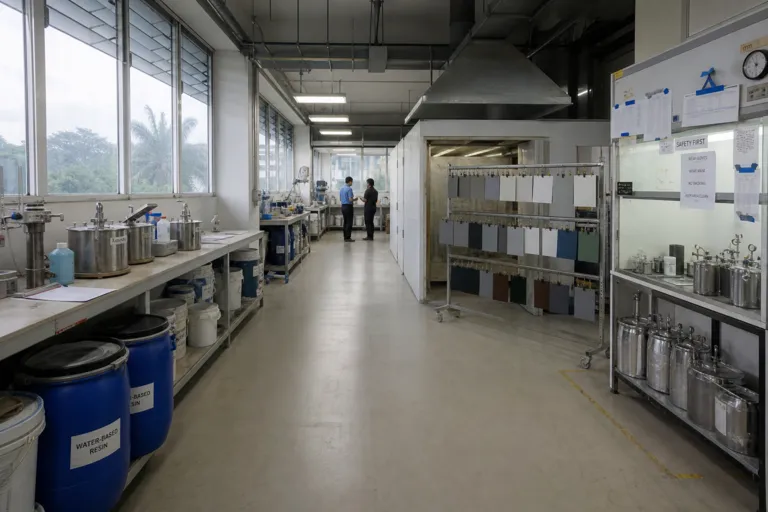
Policy is one of the clearest forces behind the pivot. MarkWide Research reports that Thailand’s Department of Industrial Works enforces Hazardous Substance Act amendments that mandate VOC content thresholds in decorative paints, pushing manufacturers toward water-based technology platforms. It also notes Thai Industrial Standards Institute (TISI) certification requirements for lead-free formulations and antimicrobial performance claims that shape product development and import clearance. In industrial coatings, Ken Research states that in 2023 the Thai government implemented regulations aimed at reducing VOCs in industrial coatings, mandating compliance with specific VOC limits and promoting water-based and low-VOC products. Together, these pressures compress reformulation timelines and reward suppliers that can deliver compliant performance across segments.
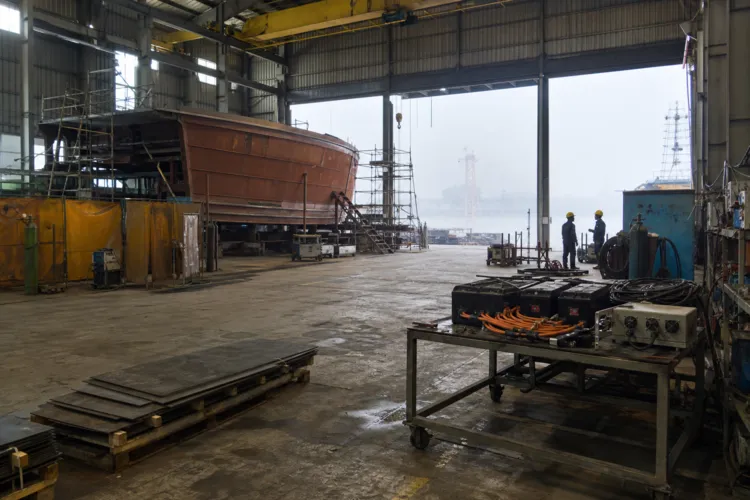
Industrial demand concentrates around Thailand’s main production corridors, where coatings are specified for durability, protection, and throughput. Ken Research values the Thailand industrial coatings market at USD 1.2 billion based on a five-year historical analysis, citing demand across industries including construction and automotive, plus rising awareness of environmental sustainability. The same source highlights Bangkok, Chonburi, and Samut Prakan as dominant cities due to their industrial base and construction activities. Market segmentation spans water-based, solvent-based, powder, and specialty coatings, with water-based gaining traction due to lower VOC emissions while solvent-based remains used for durability and performance. End users include construction, automotive, aerospace, and marine, reinforcing why performance specifications increasingly drive product choices.
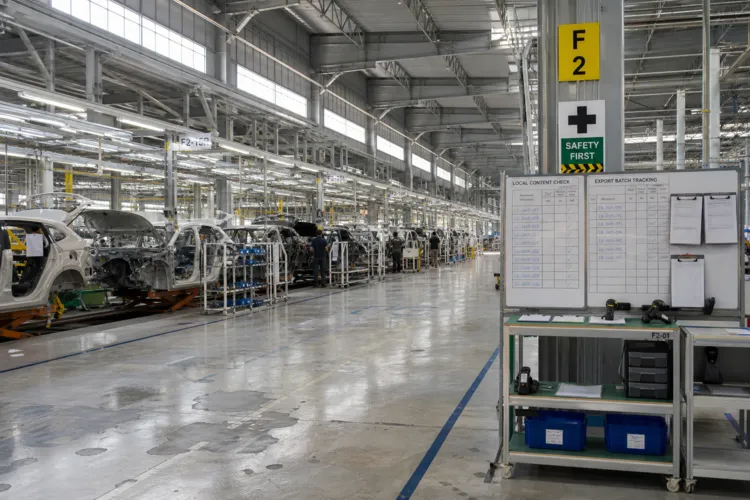
Automotive finishing is a second anchor that can offset a softer construction tone because it is tied to manufacturing output and appearance standards. GM Insights cites Thailand automobile production capacity hitting 1.83 million units in 2023, while Market Data Forecast reports 1.8 million vehicles produced in 2023, according to the Federation of Thai Industries. In Asia Pacific context, Market Data Forecast also points to manufacturing hubs in China, Thailand, and South Korea needing high-performance industrial and coil coatings for machinery, appliances, and transportation equipment, and notes automotive demand for durable, high-gloss finishes. The direction of travel is clear: as the market balances architectural volume with industrial and automotive value, waterborne and low-VOC systems become the common denominator across the supply chain.
What is the current size and outlook for Thailand’s paint and coatings market?
Which segment led revenues in Thailand, and what technologies are gaining share?
How are VOC rules changing product formulation in Thailand?
What supports demand when construction slows—industrial or automotive coatings?
How is the Thailand paint and coatings industry pivoting toward higher-performance finishes?