Momentum in the Thailand air cargo market is increasingly tied to infrastructure programs and the shift toward time-sensitive, high-value shipments. Ken Research values the market at USD 1.28 billion and says it handles 1.2 million tons annually, with e-commerce growth and airport expansions among the key demand drivers. On the network side, IMARC highlights a concrete example: JD Logistics launched a Shenzhen–Bangkok air cargo route operated by JD Airlines in 2025, designed for fast delivery of electronics, apparel, and fresh produce. At the same time, Thailand’s wider logistics modernization is being pulled forward by upgrades across air, sea, and land links that can shorten transit times and improve reliability for exporters and importers.
In the Eastern Economic Corridor (EEC), mega-projects are framed as a catalyst for multimodal cargo flows rather than standalone airport upgrades. Mordor Intelligence reports USD 16.8 billion of approved investment in 2024 anchored by the EEC. It also describes U-Tapao’s multi-phase expansion as transforming the province into a tri-modal junction capable of moving high-value cargo from aircraft to seaport berth within six hours. The same source places Thailand’s logistics costs at 13–14% of GDP and links infrastructure upgrades to cost reduction through better multimodal connectivity and less road congestion. For air cargo stakeholders, that combination supports faster handoffs and improved service consistency for premium shipments.
U-Tapao’s Expansion Raises the Bar for Speed, Security, and Scale
Multiple sources converge on U-Tapao as a strategic inflection point. IMARC notes that the U-Tapao International Airport expansion is evolving the facility into a comprehensive hub that includes air cargo handling and advanced logistics services. It adds that the Eastern Airport City project is designed to accommodate 15.9 million passengers in its initial phase, with ultimate capacity planned for 60 million passengers annually. While passenger figures are not the same as freight throughput, they signal the scale of planned airport development around the site. MarkWide Research also points to U-Tapao’s military-civilian conversion attracting low-cost carrier routes from China and India and says EEC infrastructure spending prioritizes terminal retail expansion alongside cargo facilities, reinforcing the airport’s broader commercialization.
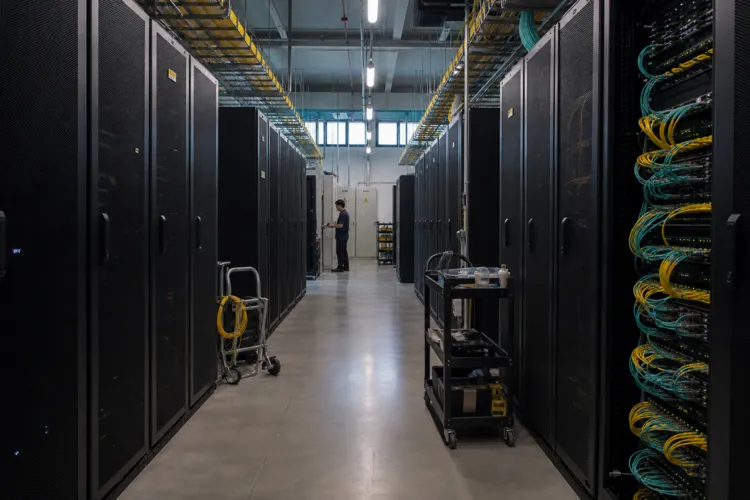
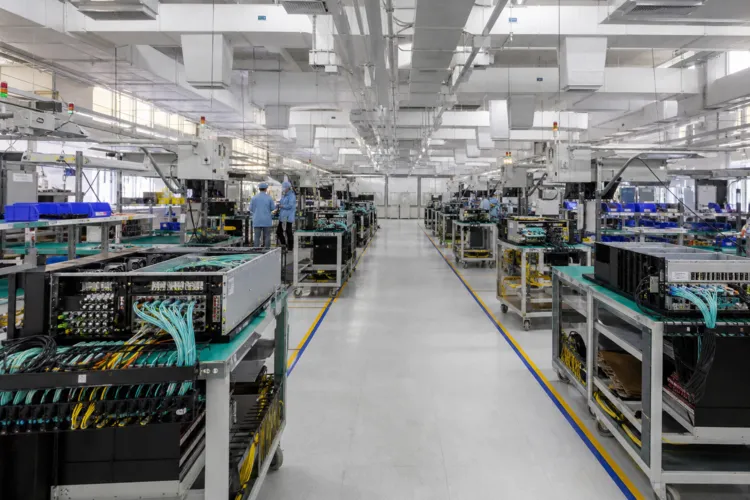
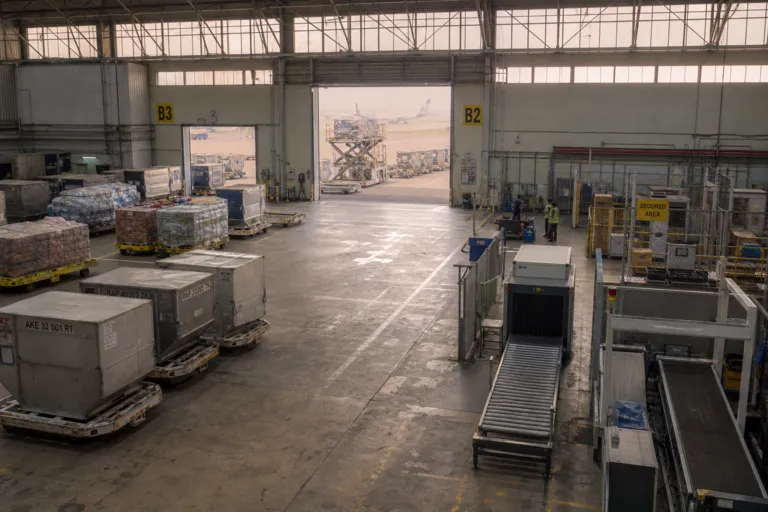
Electronics-linked flows are another pillar supporting air cargo, because they often require faster transport and higher security. Mordor Intelligence says Thailand approved 1,449 fresh investment projects in 2024, with electronics and automotive accounting for the lion’s share. It adds that major chip assemblers are scaling clean-room capacity, which increases demand for humidity-controlled warehouses and dedicated high-security lanes for outbound air freight. IMARC similarly lists electronics and automotive components among vital export categories supported by Thailand’s air freight sector, and it frames major airports such as Suvarnabhumi and Don Mueang as critical transshipment points. For the physical baseline of air freight activity, IndexBox reports that Suvarnabhumi (BKK) and Don Mueang (DMK) together handle over 1.5 million tonnes of air freight annually.
Capacity and compliance will shape how quickly operators can monetize these tailwinds. Ken Research says the Thai government has allocated THB 1.8 trillion (USD 54 billion) for infrastructure projects including airport expansions and logistics upgrades, and it highlights a plan for Suvarnabhumi expansion aiming to increase cargo capacity by 50% in the future. However, it also flags rising cost pressures, projecting fuel prices averaging THB 35 per liter (USD 1.05) in the future, while pointing to tighter safety and security compliance requirements under the Civil Aviation Authority of Thailand (CAAT). The near-term playbook is therefore clear: build faster air-to-warehouse execution, invest in controlled environments for electronics, and use new routes and hubs to capture higher-yield cargo without losing margin discipline.
What is driving growth in Thailand’s air cargo market?
What role does U-Tapao play in Thailand’s air freight expansion?
How large are planned developments around Eastern Airport City?
Which airports anchor Thailand’s air freight volumes today?
What operational challenges could affect air cargo operators in Thailand?