
By 2025, Thailand has become a super-aged society, and this shift has pushed Silver economy trends in Thailand into the center of national planning and business strategy. More than 20% of the population is now aged 60 or older. This change is driving demand for senior living condos, home-care apps, and medical tourism packages aimed at retirees. As seniors approach one-third of the population by 2033, their spending power will reshape major sectors across the country.
Demographic Pressures Behind Silver Economy Trends in Thailand
Thailand is aging faster than its workforce can grow. Seniors are rising across the Asia-Pacific region and are expected to reach 26% of the population by mid-century. Thailand is one of the earliest and fastest movers in this trend. As the elderly population expands, the workforce shrinks, placing pressure on traditional growth models.
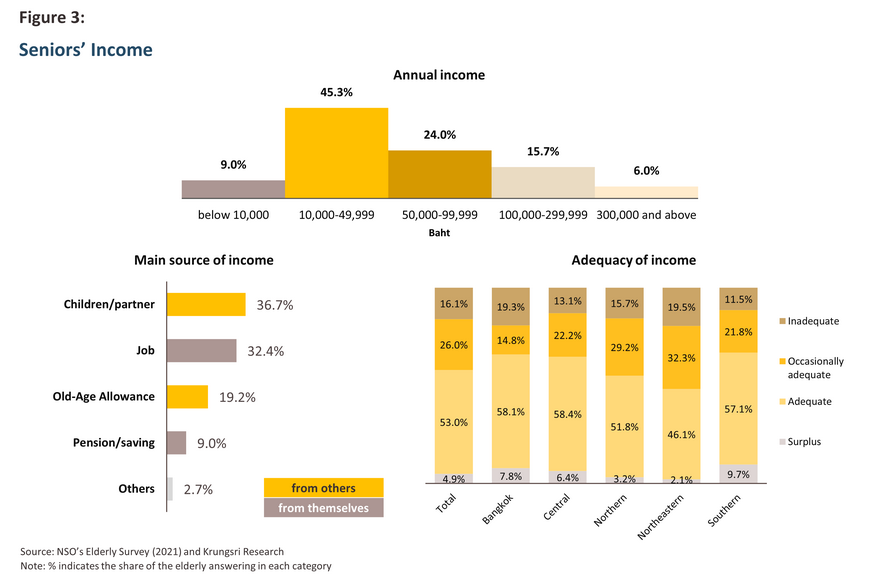
At the same time, Thailand’s silver economy is set to grow from 2.18 trillion baht in 2023 to 3.5 trillion baht in 2033. This increase is fueled by higher spending in senior care centers, health tech, caregiver services, and lifestyle products for retirees. National policy forums led by the National Health Commission Office and NESDC are preparing strategies to unlock this demographic potential during the 18th National Health Assembly in 2025.
Real Estate Shift: Wellness Residences Lead New Silver Economy Trends in Thailand
Property developers are now pivoting toward wellness residences. These homes use universal design principles, safety features, and comfort-focused layouts that suit older adults. The demand is strong because many seniors want to maintain independent living while ensuring their homes support mobility and health needs.
This pivot signals a long-term change in the real estate industry. With seniors set to become one-third of the population by 2033, the need for tailored housing is one of the most direct business opportunities created by Thailand’s ageing curve.
Caretech Surge: Wearables Become Essential for Senior Lifestyles
Caretech is expanding quickly as Thai seniors adopt health-monitoring wearables that track heart rate, daily movement, sleep, and chronic conditions. These tools help older adults stay connected to caregivers and reduce the burden on hospitals.
This wave of tech adoption is a key part of the silver economy. It supports preventive care, improves safety for seniors living alone, and creates new revenue streams for health-tech innovators and insurance providers.
A Growing Market Defined by Ageing
These economic trends show how ageing has shifted from a social challenge to a major economic engine. Real estate, health tech, and senior services are transforming around the needs of older adults, and businesses that adapt early will gain the greatest advantage.
To explore how these demographic trends can shape strategy and investment, organizations can contact Eurogroup Consulting, a global firm equipped to support companies navigating Silver economy trends in Thailand and ageing-market opportunities.
FAQs
1. What is driving the growth of Thailand’s silver economy?
Rapid aging, rising senior spending power, and demand for care services.
2. Why are developers building wellness residences?
To meet growing housing needs of seniors who want safer and more accessible homes.
3. What is caretech in Thailand?
Health-monitoring wearables and apps that help seniors manage their health.
4. How big will the silver economy be by 2033?
It is projected to reach 3.5 trillion baht.
5. Why does the workforce decline matter?
It puts pressure on economic productivity and increases reliance on senior-focused industries, creating the silver economy trends in Thailand.