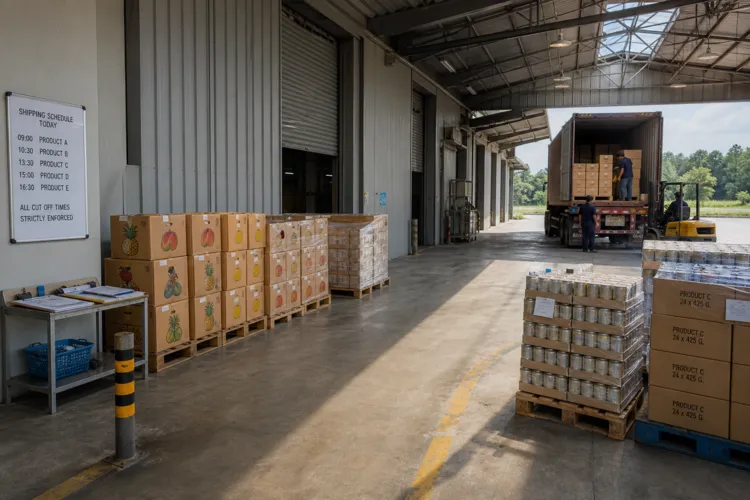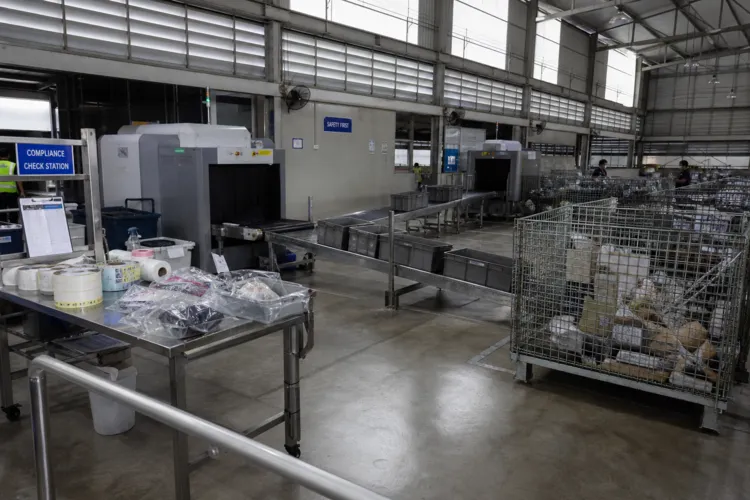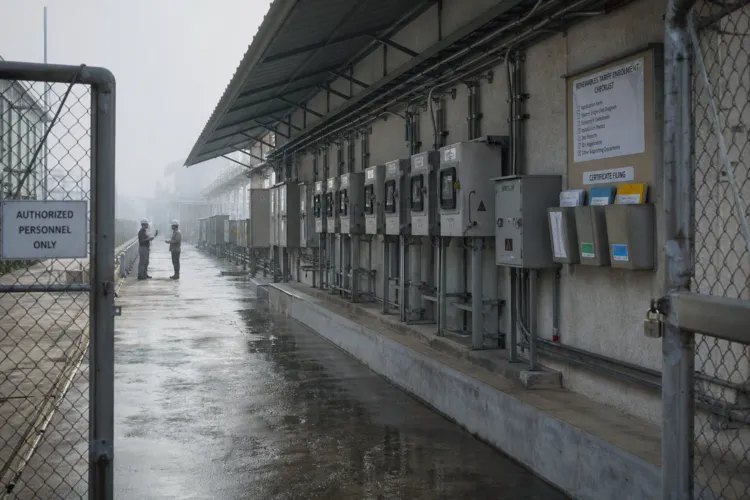
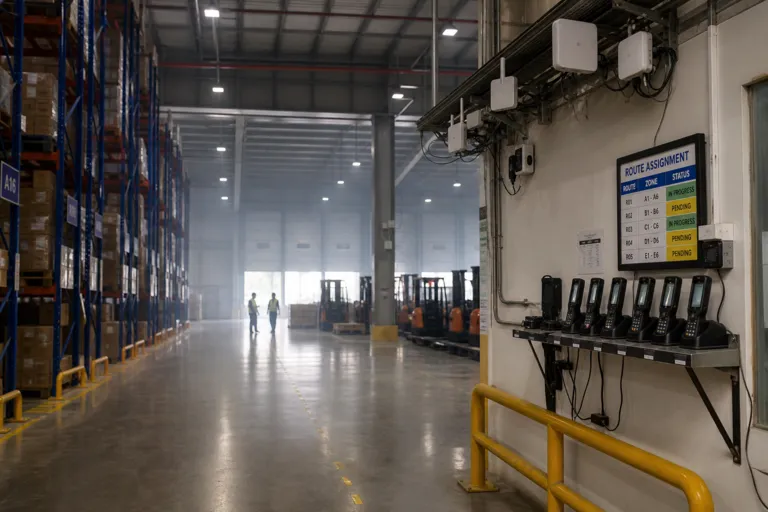
Thailand’s push toward Industry 4.0 is giving industrial connectivity a clearer runway, as factories and logistics operators add more connected equipment and real-time tracking. Nationwide 5G roll-out reached 95% population coverage by 2024, enabling edge-computing use cases such as predictive maintenance in manufacturing and real-time logistics tracking. This network foundation matters because manufacturers in the Eastern Economic Corridor are integrating 5G sensors with AI analytics to reduce unplanned downtime and improve throughput. In parallel, telecommunications providers are monetizing 5G network slicing for industrial IoT, positioning dedicated throughput as a way to support mission-critical applications beyond consumer mobile services.
Market signals from cellular connectivity also show the direction of travel. GlobalData forecasts Thailand’s cellular M2M and IoT services revenue to grow to $81m in 2030 from $75m in 2025, an annual rate of 1.3%. Over the same period, M2M/IoT subscriptions are projected to rise at a 2.6% compound annual growth rate, reaching 12% of total mobile subscriptions by the end of 2030. GlobalData links that growth to the expanding 5G network (about 95% population coverage), enterprise digitalisation, and increased IoT deployments across industries, including manufacturing and transport and logistics. AIS and True Corp are also expanding enterprise-focused 5G and IoT offerings to capture that demand.
Smart Factories and Connected Logistics Expand the Use-Case Map
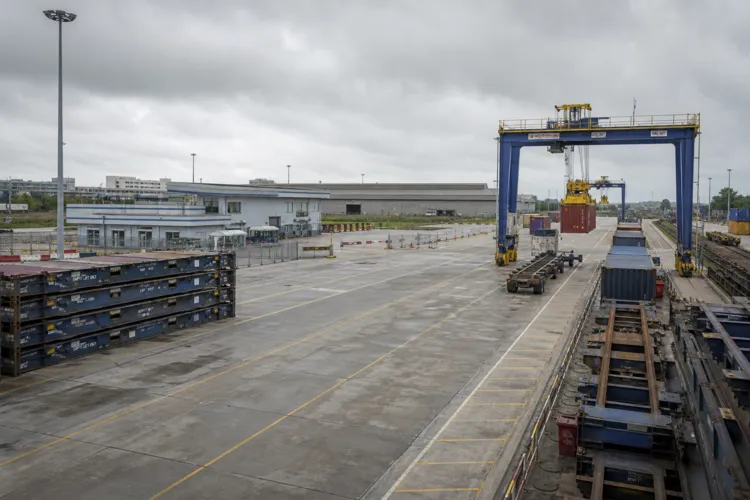
Industrial demand is also shaped by the scale and structure of Thai manufacturing. Manufacturing accounts for approximately 25% of Thailand’s GDP and employs close to 10% of the workforce, spanning automotive, electronics, food processing, petrochemicals, and medical devices across industrial estates concentrated in the Central and Eastern regions. Automotive and EV remains an anchor, accounting for roughly 10% of GDP, and Thailand produces around 1.8 million vehicles annually. These production footprints create practical opportunities for sensors, machine monitoring, and asset visibility. In logistics-linked manufacturing, Thailand’s deep port and logistics connectivity through Laem Chabang supports the business case for tracking and coordination across supply chains.
Thailand’s wider digital infrastructure build-out is another tailwind for the Thailand industrial IoT market, because device deployments increasingly rely on cloud platforms, cybersecurity services, and local data processing. Mordor Intelligence expects the Thailand ICT market to grow from USD 17.74 billion in 2025 to USD 19.68 billion in 2026 and reach USD 33.08 billion by 2031, at a 10.95% CAGR over 2026–2031. The same report points to hyperscale data-center investment, a government cloud-first mandate, and Industry 4.0 modernization across the Eastern Economic Corridor as notable drivers. It also notes foreign direct investment exceeding USD 1 billion in AI-ready, liquid-cooled facilities, while flagging talent shortages and stricter data-localization rules that can raise compliance costs.
Factory modernization is being tracked as its own growth story. MarketsandMarkets states that Thailand’s smart factory market is growing at a CAGR of 8.1% from 2025 to 2030, with automotive, electronics manufacturing, and food processing cited as key industries driving adoption. For industrial connectivity, this matters because smart factories typically pull in automation, IoT integration, and data analytics together, reinforcing requirements for reliable networks and scalable device management. On the hardware side, Market Data Forecast notes that in Thailand AIS collaborated with Huawei to launch a nationwide NB-IoT and LTE-M network aimed at supporting smart metering, asset tracking, and remote diagnostics via cellular IoT gateways. Put together, these signals point to a broader shift: scaling connected operations across plants and across the logistics links between them.
What is driving growth in Thailand’s industrial IoT market?
How fast are Thailand’s cellular M2M/IoT subscriptions expected to grow?
What is the forecast for Thailand’s cellular IoT services revenue?
Which industries are cited as leading smart factory adoption in Thailand?
What network initiatives support industrial and logistics IoT in Thailand?